


Electronic Cigarette Risks: 2025 Practical Guide
What this is: A simple, evidence-informed overview of vaping risks and device/battery safety for adults. It’s not medical advice.
Quick summary
- Not risk-free: E-cigarette produced aerosol can contain nicotine (most products) and other potentially harmful substances.
- Harm reduction: For adult smokers who switch completely, vaping is far less harmful than smoking - but it isn’t harmless.
- Who should avoid: Youth, non-smokers, and pregnancy.
- Battery safety matters: Incidents are uncommon but can be serious.
- Safest move: Buy from reputable vendors who follow safety and labelling rules (in the EU, that means vendors who comply with TPD for nicotine products and CLP where relevant).
What are the main risks?
- Aerosol exposure
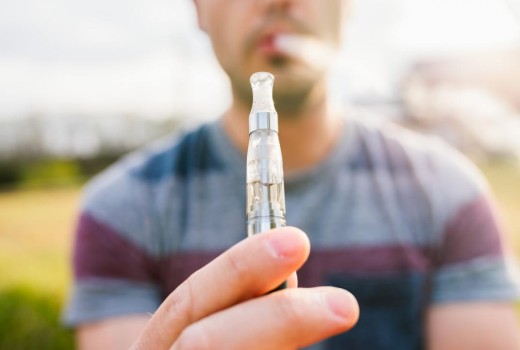
Depending on device, liquid, and puffing style, vapor can include ultrafine particles, metals, and carbonyls. Levels are usually much lower than cigarette smoke, but not zero. Exhaled aerosol can affect bystanders - keep homes and cars vape-free, especially with kids around. - Nicotine & dependence
Nicotine can raise heart rate/blood pressure and is addictive. If you don’t smoke, don’t start. Avoid entirely during pregnancy. - EVALI (2019)
The U.S. lung-injury outbreak was linked mainly to illicit THC cartridges (vitamin E acetate), not standard nicotine e-liquids from regulated retail. THC vapes should be avoided.
Device & battery safety
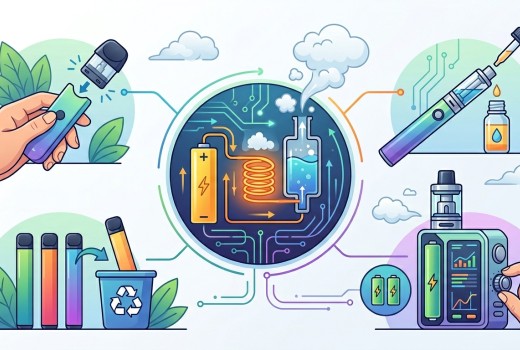
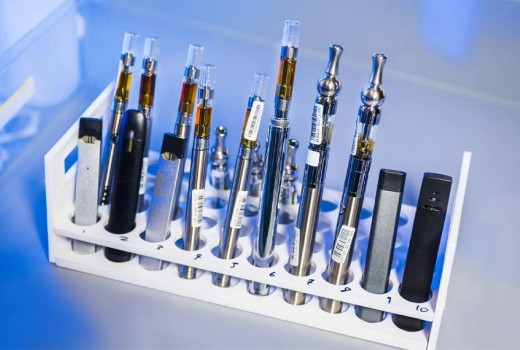
Lithium-ion cells power most vape devices. Treated properly, e-cigarette batteries are safe for daily use; misuse or damage can cause overheating or, rarely, fire.
Do this:
- Choose regulated devices with protections (over-charge/over-current, button lock, venting).
- Use the right charger, don’t charge overnight, and charge on a flat, visible, non-flammable surface. Never leave a device that is charging unattended.
- Never carry loose cells in pockets; use a plastic battery case (keep away from keys/coins).
- Replace/rewrap any cell with a torn wrap, dent, or damaged insulator ring.
- Avoid unregulated/mechanical mods unless you understand Ohm’s law and cell limits.
- Travel: devices and spares in carry-on bag only, don’t charge on aircraft.
- If a device hisses, swells, gets very hot, or smells “chemical,” move it away from flammables, let it cool, and stop using it.
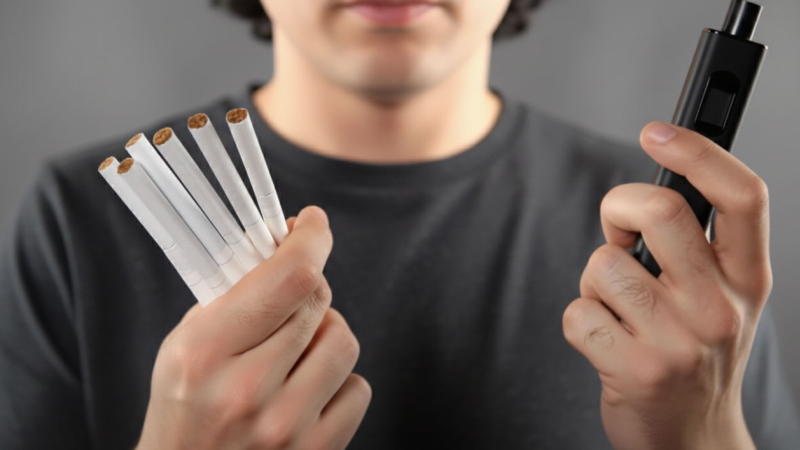
Vaping vs. smoking (why some adults switch)
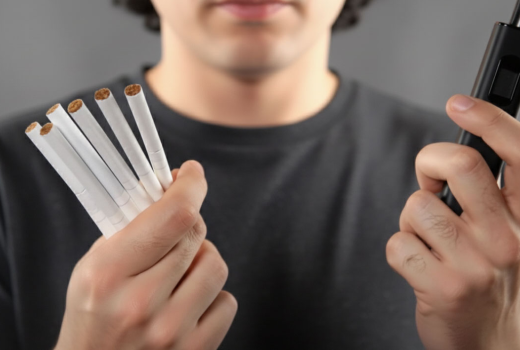
Because there’s no combustion, vaping is likely less harmful than smoking. Strong evidence shows nicotine vapes can help many smokers quit traditional cigarettes. The biggest health win comes from quitting cigarettes completely; over time reduce nicotine and stop if you can.
Who should not vape?
- Youth & young adults: Don’t start.
- Pregnancy: Avoid completely.
- Homes with children: Store devices and liquids locked away, keep everything out of reach.
Smart buying: why reputable vendors matter
Buying from reputable, compliant vendors reduces risk: they stock products like e-liquids meeting EU safety and labelling standards (TPD for nicotine items), follow CLP rules for relevant concentrates, and provide warnings, instructions, batch numbers, and after-sales support.
Practical switching tips (for adult smokers)
- Switch completely - dual use reduces the benefit.
- Pick the right nicotine strength to avoid relapse.
- Stick to reputable brands/vendors with clear labels and safety leaflets.
- Set a plan (quit goal, behavioural support).
- Follow battery safety - it matters.
FAQs
Do e-cigarettes explode often? No - failures are rare and usually involve misuse or damaged batteries. Use regulated devices and charge correctly.
Is secondhand vapor harmless? No. It’s typically less toxic than smoke, but not just water vapor. Keep indoor spaces vape-free especially around children.
Are zero-nic flavour “aromas” covered by the same rules? They’re not automatically under TPD, but reputable vendors still follow CLP/safety labelling where required. Choose brands with clear labels and safety data.
I smoke - should I switch? If you can’t quit with other methods, switching completely to regulated vaping is a less harmful alternative that helps many people leave cigarettes behind. Plan to reduce nicotine over time.
![What Is Nicotine & How It Benefits People? [A highly ignored subject]](https://www.e-cig.gr/image/cache/catalog/blog/nicotine/Vaping-vs-smoking-520x350w.jpg "What Is Nicotine & How It Benefits People? [A highly ignored subject]")