


How to Produce quality E-Liquid Safely in 2025
This article discusses how to properly and legally create e-liquid. This is not medical or professional advice. Nicotine is extremely dangerous and addicting. Make sure to keep all vape products and components away from children and pets.
Quick facts.
The EU laws (Tobacco Products Directive - TPD) require nicotine-containing e-liquids to have a final strength of no more than 20 mg/ml and to be supplied in a maximum bottle size of 10 ml. These rules also demand childproof lids, warning labels and the elimination of certain chemicals such as caffeine or colourants. The key ingredients used in e-liquids are propylene glycol (PG), vegetable glycerin (VG), natural or synthetic flavourings and optionally, pharmaceutical-grade nicotine.
Nicotine is a toxic substance. It can be absorbed through the skin or cause poisoning if ingested. Any nicotine-containing products should always be handled and stored with utmost caution.
Should you make it yourself or buy it ready-made?
Most vapers purchase ready-made, approved e-liquids from reputable stores. These items go through stringent testing and manufacturing requirements to ensure safety, consistency and legal compliance.
For experienced vapers who want to customise flavours and nicotine doses, the shortfill/ nicotine shot method is the safest way to mix at home. This entails purchasing a bigger bottle of nicotine-free e-liquid (the "shortfill", often 60 ml, 100 ml, or 120 ml), adding one or more 10 ml nicotine shots (which are legally limited to 20 mg/ml nicotine) to produce the required strength. Always strictly adhere to the manufacturer's mixing directions.
E-Liquid Components
Understanding the role of each ingredient is critical for safety and quality.
Propylene glycol (PG): This transparent thin-flowing liquid effectively delivers flavour and leads to a more intense "throat hit," similar to the sensation of smoking.
Vegetable Glycerin (VG): is a richer, sweeter liquid that produces huge, dense vapour clouds while providing a smoother draw.
*The combination of these two ingredients constitutes the so-called "base" on which the e-liquids are prepared.
Nicotine: If used, only pharmaceutical-grade nicotine with legally permissible concentrations (up to 20 mg/ml in booster injections for EU users) should be obtained.
When referring to a booster, nicotine shot this means a 10ml bottle containing 20 mg/ml nicotine, used for e-liquid preparation.
The unit of measurement for nicotine is mg/ml or %, for example, 20 mg/ml corresponds to 2%.
When working with nicotine, always wear appropriate personal safety equipment (PPE) such as gloves and eye protection.
Flavourings: Use only food-grade flavourings that are specifically formulated and approved for vaping. Never use generic food flavourings or 'custom-made' flavours, as they may contain oils or other substances dangerous to inhale, with a risk of immediate and severe respiratory damage that may even lead to hospitalization..
Legal and Safety Fundamentals
EU Regulations (TPD): These regulations are crucial. In the EU, all nicotine-containing e-liquids must be supplied in 10 ml bottles and have a strength restriction of 20 mg/ml.
Storage: Always keep all e-liquids, particularly those containing nicotine in a secure location that is fully inaccessible to minors and pets.
There are three main ways to mix e-liquid.
There are three basic methods for mixing e-liquid at home, each tailored to varying levels of experience and customisation demands.
1) Mixing with Shake & Vape - recommended for most users.
They already contain a calculated amount of flavor for the container, missing the base (PG/VG) and nicotine.
Purchase: Buy a Shake & Vape (e.g. 12ml of flavor in a 60ml bottle or 20ml of flavor in a 120ml bottle) with the flavor of your choice, glycerin, propylene glycol and as many 10ml nicotines (20mg/ml) as you need to reach the desired strength.
Mixing: Add the nicotine boosters and fill to the brim with glycerin and propylene glycol, follow the mixing table provided on the packaging or on the manufacturer's website, close the lid tightly, shake vigorously for a few minutes.
Steeping: Shake & vapes usually need at least 2 days to mature.
2) Mixing with shortfills
This is the simplest and safest method for most home mixers, as it eliminates direct contact with extremely concentrated nicotine and simplifies flavour development. Shortfills already include the base flavouring.
Purchase: Purchase a nicotine-free shortfill bottle (e.g., 50 ml in a 60 ml bottle, 100 ml in a 120 ml bottle, etc.) with your preferred flavour concentrate and the necessary 10 ml nicotine shots (limited to 20 mg/ml strength).
Mix: Add the 20 mg/ml nicotine shot(s) to the shortfill bottle. To acquire the required nicotine strength, refer to the brand's mixing chart, which is normally provided on the packaging or on vendors website.
Process: Tighten the cap, shake vigorously for several minutes to achieve even distribution, and then properly label the bottle.
Shortfills typically require less steeping time than mixing from scratch because the flavour has already partially matured.
3) Mixing with Concentrated Flavours - For Experienced Users
This method allows you to build one-of-a-kind recipes by combining individual flavour concentrates (PG, VG, and nicotine shots). It requires more time and a thorough understanding of flavour profiles and strict attention to safety regulations.
Components: You'll need pharmaceutical-grade PG and VG, flavour concentrates and 10ml nicotine shots (20 mg/ml).
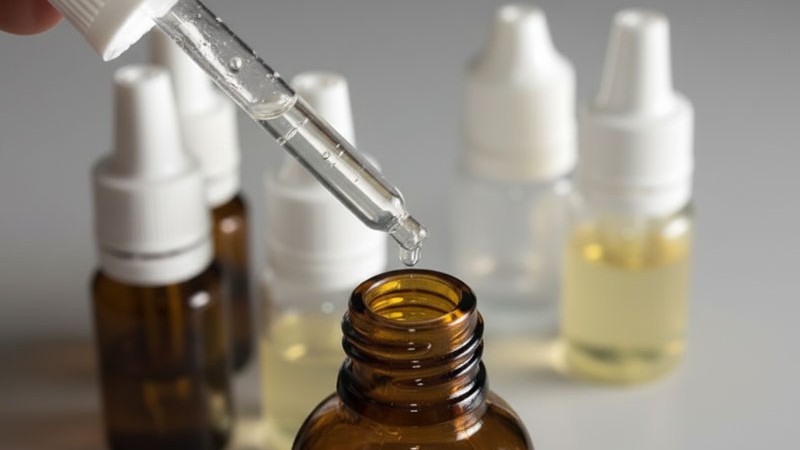
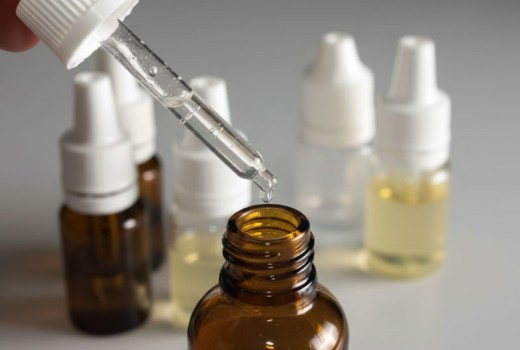
To take correct measurements use dedicated, accurate measuring tools such as precision digital scales, syringes and/or pipettes.
Always wear gloves and eye protection while working in a well-ventilated location. Cover work surfaces with disposable covers.
Calculations: Use a reputable e-liquid calculator usually found online to determine the precise amounts of each ingredient for your desired PG/VG ratio, nicotine intensity and flavour percentages. This method necessitates a certain level of knowledge about flavour blending.
Mix and Store: Combine the components, mix thoroughly, label carefully and store safely as instructed below. This approach typically necessitates a longer steep time than shortfills for the flavours to properly develop.
Essential Safety Rules
Personal Protection: Always wear proper personal protection equipment (PPE), such as chemical-resistant gloves and safety glasses, especially when working with nicotine.
Dedicated Space: Work in a clean, well-ventilated environment free of food, beverages, children and pets.
Accuracy: To achieve proper ratios and nicotine levels, use precise measuring equipment (scales are often more accurate for small amounts than volumetric measures).
Labelling: Immediately and clearly label all bottles with the nicotine strength (mg/ml), PG/VG ratio, flavour name, and date of mixing.
Storage: Keep all e-liquid components and finished goods in a cold, dark and safe location, away from direct sunlight and heat.
Spill Protocol: Keep paper towels and a nicotine neutralising agent (e.g., kitty litter, baking soda solution) on hand. Clean up any spills right away and dispose of contaminated objects carefully and correctly.
Tips to Improve Quality and Taste
Begin Simple: When combining from scratch, start with single-flavour recipes to learn how different flavourings react. Gradually try out simple two or three-flavour combos.
Steeping: Most e-liquids benefit from "steeping", which involves letting the combination rest for a period of time, usually in a cool and dark environment. This allows the flavours to blend and mature. The process can take up to one month for more complex blends (e.g., dessert, creamy, or tobacco flavors).
Fruity blends: typically require less steeping (a few days to a week).
Desserts, custards, and tobaccos: Flavours may take longer to develop, from two weeks to a month or more. This is especially true for mixes made from scratch with intense flavours.
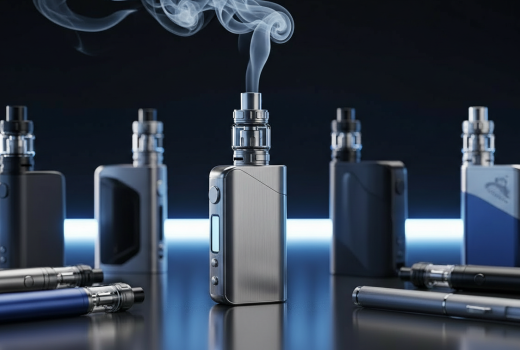
Device Compatibility: Ensure that your e-liquid's PG/VG ratio is appropriate for your vaping equipment.
Higher VG (70% or more): Great for sub-ohm tanks and rebuildable atomisers that produce big clouds.
Balanced (50/50 PG/VG) Higher PG is ideal for pod systems, mouth-to-lung (MTL) tanks and devices with smaller coils. Thicker VG might create clogging.
Avoid common mistakes, such as handling nicotine concentrations above 20 mg/ml, which are banned for EU consumers.
Guessing measurements: Always measure exactly.
Using non-vape-approved flavours: Only use flavours designed exclusively for e-liquids.
Failure to label bottles creates a considerable safety concern.
Caution: During the mixing process, ensure that no children or pets are present in the area also leaving components or bottles open near children or pets poses a significant safety risk.
FAQ
Is mixing e-liquid at home allowed in the European Union?
Yes, provided you properly adhere to the TPD guidelines. This includes limiting the final nicotine level to 20 mg/ml and using nicotine-containing liquids in 10 ml bottles with child-resistant lids and clear labels. Most hobbyists use shortfills and nicotine shots in a safe and legal manner.
Which nicotine strength should I choose?
This is dependent on your equipment, vaping style and nicotine consumption.
Sub-ohm devices (straight to lung): Usually work effectively with lesser strengths (3 to 6 mg/ml).
Mouth-to-lung (MTL) devices and pod systems: Users frequently prefer higher dosages (up to 20 mg/ml), particularly when switching from cigarettes.
Is DIY e-liquid safer and less expensive?
While DIY can drastically lower costs in the long term, it is not necessarily safer. Improper nicotine handling, imprecise measures, and poor cleanliness can all pose major safety risks. For the majority of individuals, purchasing regulated, ready-made e-liquids from reputable suppliers is the safest alternative.
How should I keep my blended e-liquid?
Store it in a cold, dark, and dry location with childproof caps tightly closed. Avoid direct sunlight and high temperatures, as they can damage flavour and nicotine quality over time.
![What Is Nicotine & How It Benefits People? [A highly ignored subject]](https://www.e-cig.gr/image/cache/catalog/blog/nicotine/Vaping-vs-smoking-520x350w.jpg "What Is Nicotine & How It Benefits People? [A highly ignored subject]")