


A Vaper's Guide to Electronic Cigarette Side Effects in 2025
It can be hard to figure out how to vape, especially when it comes to the side effects of e-cigarettes. In simple and easy-to-understand language, this guide explains what we know so far about the health effects of vaping.
Keep in mind that this is just for information and not a replacement for medical advice from a doctor.
Common Short-Term Side Effects
It's normal to have some temporary symptoms when you first start vaping or switch devices or e-liquids. A lot of new vapers say they cough, have a dry mouth or throat, or feel a little irritated. You might also get headaches, and sometimes nausea or dizziness.
Nicotine strength, how you inhale, or the main ingredients in e-liquids (propylene glycol and vegetable glycerin) can all cause these effects. If these symptoms don't go away, try using less nicotine, vaping less often, drinking more water, or talking to a doctor.
What Is Really in Your Vapor?
A lot of people think that e-cigarette aerosol is just harmless water vapor. In reality, it's a mix of particles that can have a lot of different things in them:
- Ultrafine particles that can get deep into the lungs.
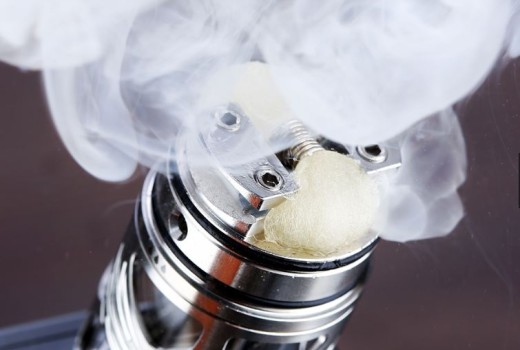
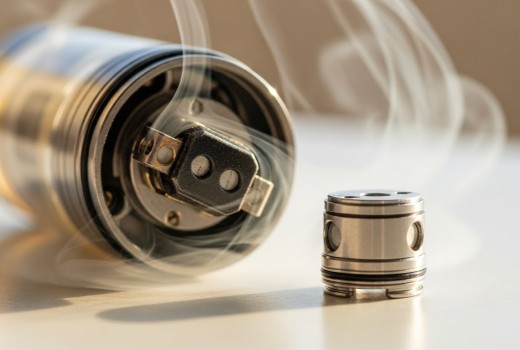
- Traces of heavy metals like nickel, tin, and lead from the heating coil.
- Volatile organic compounds (VOCs).
- Nicotine, a very addictive drug that is found in most e-liquids.
The amounts of these substances can be different, and unregulated products are much more dangerous. This is why it's so important to buy things from companies that have strict rules about how they make things and how safe they are. There’s also concern that other people might breathe in this aerosol, so it's best to be careful and not vape around people who don't use it, especially kids.
Nicotine and What It Does
Most e-cigarettes contain nicotine, which has its own set of effects. It's known to be very addictive, and it can make your heart beat faster and raise your blood pressure. It is very important that teens and young adults do not use any nicotine products because they can affect how the brain grows. Pregnant women should also stay away from vaping because nicotine can hurt a growing baby.
Health of the Heart and Lungs
Research indicates that vaping may induce a transient increase in heart rate and blood pressure immediately following use. Researchers are still looking into the long-term effects on heart health.
Vaping can make your lungs inflamed and irritated. Researchers have found a serious lung condition called EVALI that is strongly linked to vitamin E acetate found in illegal THC vaping products. This shows how dangerous it is to use products that aren't regulated and come from sources you can't trust.
A Note About "Popcorn Lung"
You might have heard about "popcorn lung," a rare lung disease. This has been linked to being around a lot of a flavoring chemical called diacetyl. While diacetyl has been found in some e-liquid flavors (especially those that taste like butter or cream), there is no direct evidence that regular nicotine vaping causes this condition. In response to concerns from customers, most reputable manufacturers have taken diacetyl out of their products.
Vaping vs. Smoking: A Harm Reduction Perspective
Leading health organizations agree that for adults who smoke, switching completely to vaping is much less harmful than continuing to smoke cigarettes. This is because vaping doesn't involve burning tobacco, which releases thousands of harmful chemicals. But "less harmful" doesn't mean "not harmful." People who don't smoke shouldn't start vaping. E-cigarettes have been shown to help people quit smoking, especially when they get support.
How to Lower Risks and Side Effects When You Vape
Here are some useful tips to help you avoid possible side effects and health risks if you decide to vape:
- Buy from companies you trust. This is the most important thing you can do. It's important to pick well-known brands that follow safety rules and have clear manufacturing processes. Good companies spend money on quality control and testing to make sure their products don't have any harmful substances in them. The best way to protect yourself from the risks of fake, unregulated, or illegal goods is to buy them from a reputable, professional store.
- Find the right nicotine strength. If you have too much nicotine, you may get headaches and feel sick. If you don't have enough, you might end up vaping more often to make up for it.
- Vape the right way. Long, soft puffs are better than short, hard ones. This keeps the coil from getting too hot (a "dry hit"), which can make chemicals you don't want.
- Stay hydrated. To keep your mouth healthy and fight the drying effects of vaping, drink a lot of water.
- Have a plan to quit. If you started vaping to quit smoking, your ultimate goal should be to stop using nicotine completely. Think about slowly lowering the amount of nicotine you take in over time.
Key Takeaways
- Vaping isn't risk-free; most e-cigarettes have nicotine in them, which is an addictive drug.
- The quality of the product is the most important thing. To avoid dangerous contaminants, always buy your devices and e-liquids from companies that are known for following safety rules.
- Coughing, a dry mouth, and headaches are all common short-term side effects.
- There is evidence that vaping is much less harmful than smoking for adults who switch completely, but researchers are still looking into the long-term health effects.
- Non-smokers, young people, and pregnant women should not use e-cigarettes.
Frequently Asked Questions (FAQs)
What are the most common problems that come with vaping?
The most common side effects are coughing, a dry or irritated mouth and throat, headaches, and sometimes nausea or dizziness.
Is it safe to breathe in secondhand vapor from e-cigarettes?
It's not completely safe. It can put nicotine and other chemicals in the air for other people, so it's best to be polite and not vape around kids and people who don't use it.
Can vaping give you "popcorn lung"?
A lot of exposure to diacetyl is linked to this condition. Some early e-liquids had this chemical in them, but reputable companies don't use it anymore. There is no direct proof that regular nicotine vaping causes "popcorn lung."
Is vaping better than smoking?
Major health organizations agree that vaping is a much safer option for adult smokers who switch completely. But there are still risks to vaping, and people who don't smoke shouldn't start.



![What Is Nicotine & How It Benefits People? [A highly ignored subject]](https://www.e-cig.gr/image/cache/catalog/blog/nicotine/Vaping-vs-smoking-520x350w.jpg "What Is Nicotine & How It Benefits People? [A highly ignored subject]")